A park restroom can look like a relatively small piece of a large-scale public project. Landscape engineers, architects, and contractors can be involved in the building of one building.
Every transition poses a simple yet crucial question.
Who’s responsible for ensuring that one stage is linked to the next properly?
For park owners and project teams comparing the best park restroom designers, that question can be more revealing than looking through a portfolio of finished buildings.
Handoffs Take note of
Imagine a bathroom already conceptually planned. The dimensions are correct and the design was decided on for the exterior and the rendering is liked by everyone.
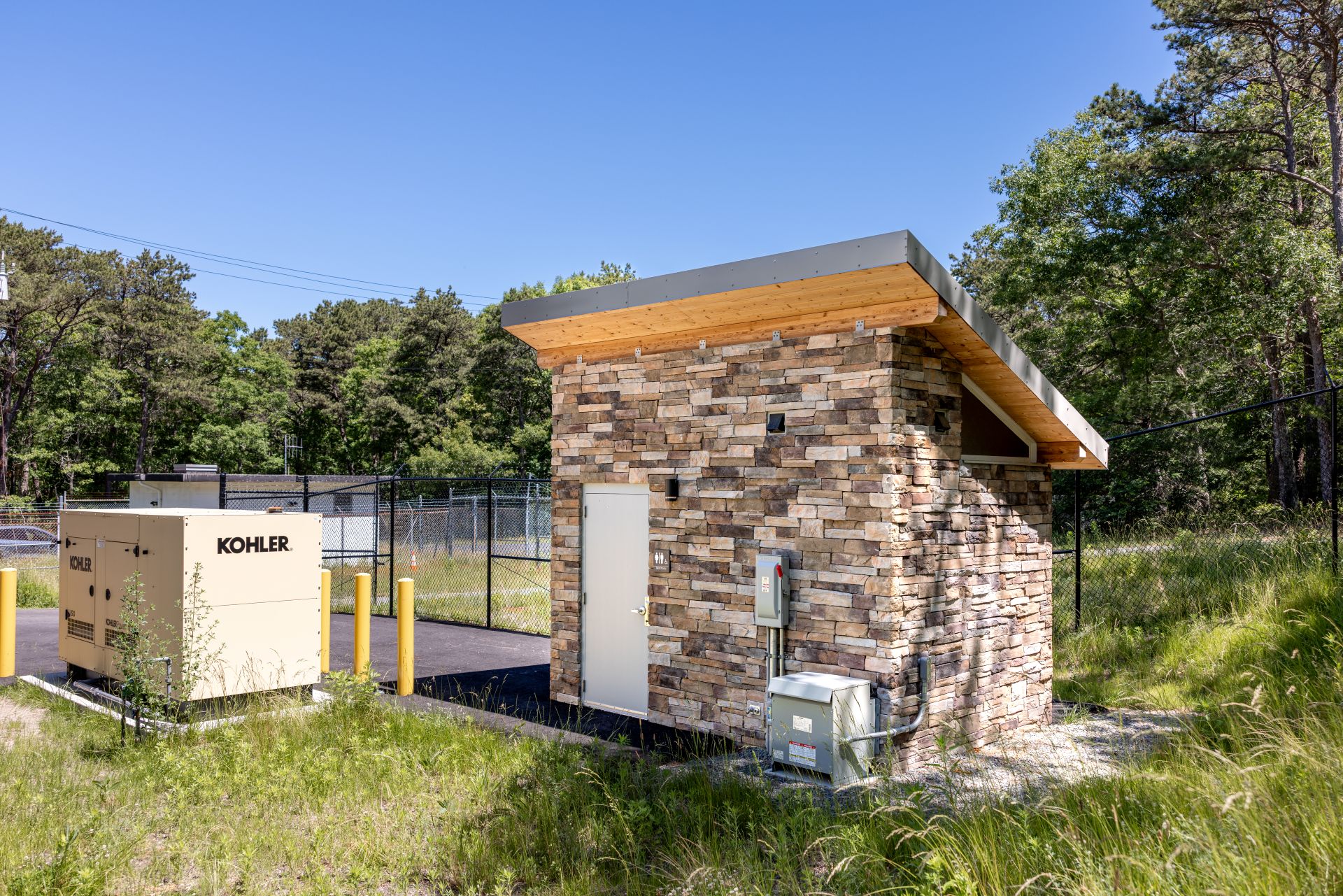
Image credit: romtec.com
Then engineering begins. An adjustment is required to the layout. The adjustment is a factor in a component’s specification and therefore the purchase. Later, the contractor finds out that the assumption made in design doesn’t match with the specification provided.
None of these problems necessarily means someone made an error of a serious nature. They show how coordination can be difficult if responsibility is fragmented among multiple people.
It is crucial to think about more than the creative potential of a person when you evaluate the top park design contestant. Understanding accessibility standards, codes, components, engineering, documentation, and construction issues can help connect design decisions to the final product.
Ask What the Proposal Actually Doesn’t Include
Two proposals for apparently identical buildings could have different scopes.
It could be a set of building supplies. One could cover preliminary design assistance along with drawings, renderings and engineered plans.
Comparing only the bottom-line price without understanding the difference can create a misleading comparison.
Romtec provides preliminary estimates and designs for no charge upfront, and also drawings, specifications renderings, and specifications for bid packages. Following acceptance, the process advances to engineered plan sets and submissions that are complete.
Owners and design teams can then move more easily from an idea to a built-in-place.
Custom requirements require prompt attention.
Public projects are not always created in the same conditions.
Certain communities might choose to use eco-friendly materials and fixtures. Others may have a distinct architectural theme. A landscape architect may need customized siding, unique colors or even a roof design which visually connects the restroom to other park structures.
These decisions can influence more than just appearance. The decisions they make can impact elements such as documents, procurement, construction and engineering.
By addressing any special needs as early as it is possible and allowing the team to incorporate them in a deliberate manner rather than retrofitting them when crucial decisions are made.
Construction knowledge changes the design dialogue
The best builder of park restrooms for a specific project must be aware that a sketch eventually has to become an actual physical structure.
Romtec is a firm that designs, produces, supplies and builds buildings for public use. It can provide building packages which can be integrated with larger construction projects or offer turnkey construction.
That design-to-construction experience creates a practical perspective: decisions made at a desk eventually have consequences on a jobsite.
Be sure to evaluate the journey, not Just the Destination
It’s difficult to determine how much coordination was put into a finished bathroom before it was open.
Visitors can view the building. Visitors are able to see the structure. The team working on the project also is able to witness everything that has been accomplished before, such as design decisions, estimations documents and engineering as well supply approvals, construction and design.
This is why selecting an appropriate park building partner shouldn’t begin with a question like “Do you like their buildings?”
A more useful question is:
Do you have the ability to take the building that was in our minds to a structure which is accessible to the public?
