A garden that is productive doesn’t necessarily begin with costly equipment or a well maintained property. More often, it starts by planting a few seeds, paying attention to what happens, and making better choices for the coming season.
The Sproutstead is a resource for those who want to understand how to cultivate their own food as well as improve the soil they cultivate and conserve what they harvest, and achieve self-sufficiency without having to learn technical terms.
The conditions in your garden are special
The fact that gardens can’t be interchangeable is just one of the reasons that gardening guidance can be a bit sour. A tomato planted in a sunny garden in one area of the country could behave differently from one in heavy soil and the shorter growing season in another.
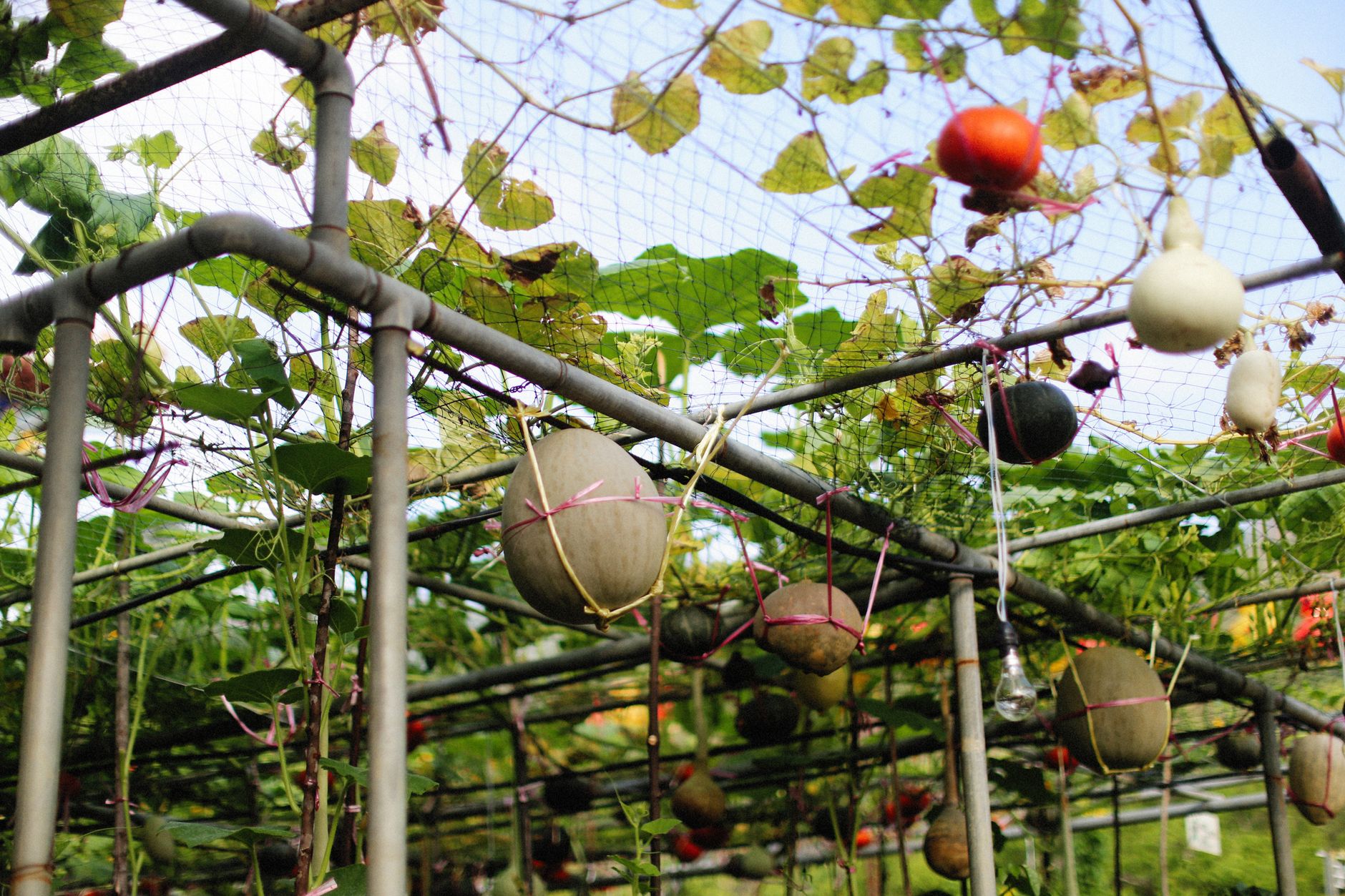
Homesteading and gardening success involves more than following instructions. Gardeners gain knowledge of their own conditions: sunlight soil structure, soil structure, rain, temperature, growing season as well as the space available and how much time they are able to devote to maintenance.
The Sproutstead’s primary focus is to explain the various aspects so that readers are able to adapt gardening information to a typical home, rather than attempting to replicate someone else’s ideal setup.
Under the surface, vegetable gardening begins
The plants that are easily visible draw attention However, a significant amount of performance in a garden is also determined by what’s underground.
A balanced soil is vital to ensure drainage, water retention and nutrients. Composting helps improve soil over time while mulching helps conserve moisture and helps to control the growth of weeds. Paying attention to these fundamentals can make vegetable gardening easier because healthier growing conditions give plants a stronger foundation from the beginning.
Also, planning is essential. The spacing of plants, the timing of crops along with companion planting and time of year can all determine how effectively a gardener uses the space available.
Tomatoes can be a great lesson in paying attention
Ask ten gardeners about tomatoes and you’ll probably be told a number of different stories. The most well-known of cultivars for home gardens, tomatoes exhibit the effects of a variety of different conditions.
When researching tomato farming it is essential to think beyond the depth of plantation and fertilizer schedules. They require sufficient sunlight, constant irrigation, the right soil as well as adequate spacing and support once they reach maturity. It is also important to select the right variety due to the fact that growing conditions availability of space, as well as their intended use will determine the kind of tomato that makes sense.
It might not be feasible to solve the problem by increasing the amount of fertilizer. It could be due excessive nitrogen, low temperatures, lack of sunlight or poor pollination. The process of observing the entire plant can be better than treating just one symptoms.
Harvesting is only a small part of the story
If half of the vegetables go to waste before being eaten this makes the effort of growing 20 pounds of vegetables seem less effective. A thoughtful home-growing system considers what happens after harvest.
Canning chilling, freezing, drying and sharing excess produce can improve the value of what you plant. You can also save seeds to use later, or compost unavoidable scraps. Backyard chickens, herb gardens fruit trees, as well as composting are all possible components of the same system.
It isn’t essential to start every homesteading technique at once. Growing lettuce effectively making a compost pile more productive or preserving your first batch of tomatoes grown at home can be considered a meaningful step forward.
Knowledge is Power: More Effective Gardeners are Made by Using the right information.
Even the best gardening instruction cannot guarantee perfect plants. Changes in weather, pests are present, seeds occasionally fail, and suggestions vary based on the region.
The Sproutstead approaches those realities in the context of learning rather than a nebulous exception. Through connecting subjects such as soil and seeds, vegetables, pesticides, preservatives, backyard chickens, or self-sufficiency with other topics, such as preservation, backyard poultry, or self-sufficiency, readers will gradually learn how to grow gardens.
It is best to design your garden productively in similar to how plants grow: seasonally, gradually, and from a strong base.
