On a Civil Plan make a box indicate a lift station. It’s then easy to envision it as a separate part of the equipment.
In reality, water comes from somewhere, flows through the station, then is carried on to somewhere else. It also relies on the structure including power, controls, and access to the site.
One aspect that could be helpful to project teams trying for the most effective lift station design is to consider the interfaces and not just what happens within the station.
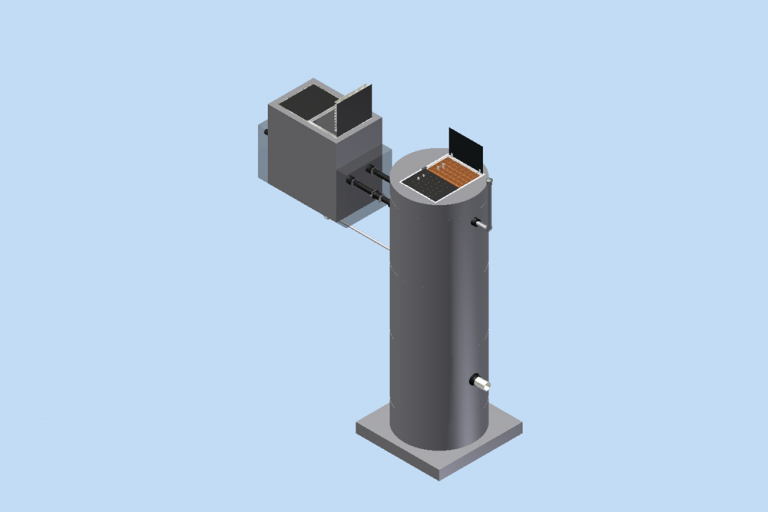
Image credit: romtecutilities.com
From the Wet Well
Take a look at a housing development. The wastewater moves from the collection system towards the lift station. The incoming flow conditions and elevations on the site determine what the station will be expected to handle.
As soon as the wastewater enters the level of a well that is wet the new set of decisions in engineering is taken. Pumps and pipes, valves and controls, the structural elements, and even additional components must be appropriate for the application.
Romtec Utilities engineers wastewater systems specifically designed for specific sites, including industrial, commercial, municipal and development.
The project-specific approach is important because what happens upstream could alter the objectives of the pumping station.
Follow the water beyond the pumps
The engineering challenge doesn’t stop when the liquid leaves the wetwell. The pumping system needs to move it to meet the hydraulic conditions of the downstream system. The configuration of the pump and flow requirements are influenced by the required head and flow conditions.
That connection is particularly important when evaluating the best wastewater designers. It’s not sufficient for a pump to boast impressive specs on its own. It must also perform effectively within the hydraulic system.
Romtec Utilities is able to design all the elements which make up a pumping plant, including the structure as well as the mechanical, electrical and the communication, as a whole. This helps coordinate the equipment required for the project.
Stormwater is a network that has its own connections
Stormwater presents a different infrastructure puzzle. Runoff can enter a collection system through developed surfaces and move on to treatment, detention or drainage infrastructure. The station functions as a bridge in the larger stormwater strategy where pumping is necessary.
If companies are in search of the most efficient stormwater system designers to consider, they must take into account site conditions, flow rate required for head requirements, and environmental considerations together.
Romtec Utilities provides customized stormwater pumping systems for residential as well as commercial projects.
Coordination Extends Above Ground Too
Not all interfaces require piping. Electrical service must be able to support the equipment. Control and communication systems have to meet the requirements of the project. Contractors need appropriate plans and documentation. In the case of installation, startup or later services, physical access might be required.
It can be a complicated project with multiple participants and different disciplines, which is why having a clear and concise system document is essential. Romtec Utilities offers complete plans and project documentation. It can also support the systems from initialization through testing and commissioning.
Look Beyond the Station Boundary
If the external connections of a lift aren’t assessed, a well-designed lift station can remain a component of the project is not properly coordinated.
The water can be a great design reference. Where did it come from? What conditions must it meet before it can reach the station? What do it need to do once there? What happens afterward? What infrastructure is needed for the entire process operate?
If you can answer these questions, lift station design becomes more than a simple piece of equipment. It is now a part of infrastructure engineering.
