A drainage system could appear fine during normal weather but a major storm could reveal all the weaknesses in the infrastructure of a home. Parking areas flood. Detention ponds flood too quickly. Access roads are dangerous. The lower areas start to gather water. In many of these cases the issue isn’t just rain. In many instances there is more to the issue than just rain.
A stormwater lift station becomes essential. They collect and then pump away stormwater from areas in which it naturally accumulates. They can help protect the roads, buildings and utilities, as well as outdoor spaces. It doesn’t matter if the site is industrial, commercial, municipal or residential lifting stations can contribute to keeping the site functional during and following an emergency.
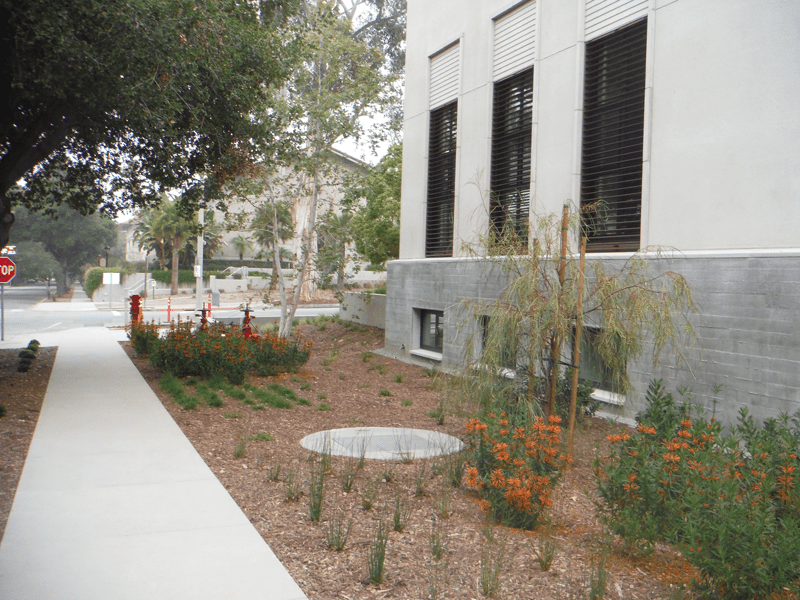
Stormwater management needs to be based on the location
Each property is different in how it manages runoff. Retail parks with big parking spaces behave differently from residential subdivisions and are not subject to the same needs as industrial sites or municipal drainage projects. Flow rates, site elevations, detention requirements, and discharge requirements all influence the way a stormwater management system should be planned.
Romtec Utilities doesn’t treat stormwater pumping the same way as a standard package. The system’s design is based upon the specific pumping requirements of the particular site. It may be used to limit flooding, drain a pond or pool, control the runoff from a developed property and support a bigger municipal network, etc. The most appropriate solution is dependent on how much water has to be moved, how swiftly it needs to move, and also where it must be moved.
A stormwater runoff pump station goes further than just a pump inside a vault
A robust stormwater runoff pump station requires far more than high-powered machinery. It functions as a highly coordinated system, seamlessly blending mechanical, structural and control elements to handle large stormwater volumes in a consistent and efficient manner. To ensure that the station operates at its peak throughout its lifespan important factors such as accurate size of the pump, strategic well design, advanced control, durable piping, resilient power systems and real-time monitoring all must work perfectly.
This level of total system integration is precisely why the best stromwater system designers make themselves distinct from the rest. An exceptional design will not only solve drainage issues in the short term; it requires a long-term proactive approach. The top engineering practices take into account ease of long-term maintenance, changing future site demands and maximum efficiency of operation. It is crucial to ensure that the pumping system can perform in extreme weather conditions in the real world rather than relying on the best assumptions.
The meticulous planning process is important whether you’re managing massive floodwaters, or designing high-pressure municipal networks such as clean water booster pump stations where failure of the system is never an option. Romtec Utilities designs its stormwater systems taking into account these facts. The pumps are designed for a range of applications and supported with help in starting the system, staff training and documents to enable owners to manage the system in a safe manner after installation.
Better planning creates better flood protection
A properly engineered stormwater pump station is able to reduce risk of flooding, improve the site’s usability, and protect adjacent property from damage caused by water. The pump station is also able to increase the resilience of a site by ensuring that the runoff of the heavy rain is dealt with effectively and swiftly.
It’s easy for people to ignore stormwater infrastructure until it goes down. A reliable stormwater liftstation is the best investment an owner of a home or municipality could make to control runoff actively, rather than passively. With the right design and the right support, a strong stormwater management system helps keep a site safer, more functional, and better prepared for the realities of changing weather.
