Every three minutes, in American schools, a hidden outbreak is discovered: A student has been caught vaping. Public health experts label vaping by teens as a crisis that is causing a lot of harm, with the CDC declaring that more than 40% of high school students and 20% of middle schoolers have tried electronic cigarettes. These devices are nearly all nicotine-based (99%). Nicotine is a drug that can be addictive and can rewire brains in the developing stage and can also be the first step to smoking cigarettes. Parents, teachers, and administrators are feeling more pressure to do something about it. Vape detectors are an advanced, high-tech tool that is rapidly becoming an essential part of every campus. Triton, and 3D Sense are the two most advanced vape detectors that schools can make use of. They can do more than simply make an alarm sound.
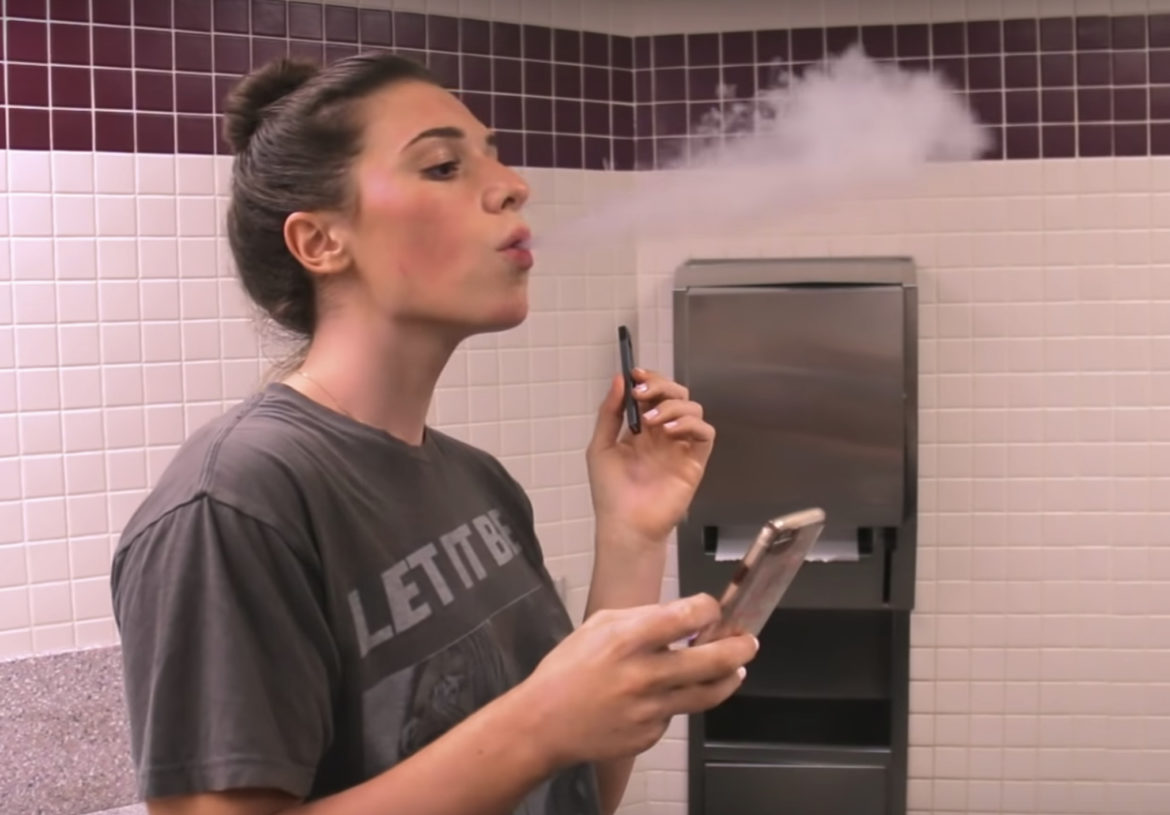
Vape Detectors with high-precision without intrusion
Triton ULTRA Smart Safety modern-day vape detector that doesn’t rely solely on videos or audio recordings. This guarantees complete privacy while still providing actionable intelligence. Instead, it utilizes sophisticated particulate sensors that analyze air in real time. It sends out alerts to staff via email or text whenever vape aerosols and masking agents such as heavy perfumes, are identified. False positives stay extremely low, allowing administrators to be confident that any notification will receive immediate attention.
One unit covers a complete space bathroom, locker or hallway, making installation economical. Triton customers generally report an increase in vaping after five weeks. The reason? Data-driven deterrence. The Triton Cloud Dashboard will reveal “hotspots” in which vaping is prevalent the most often and at what moments, allowing authorities to redirect hall monitors or security personnel precisely where they’re needed.
Beyond Detection: Visualization of Occupancy and Loitering Control
What distinguishes Triton in a different way from standard vape detectors is its patent-pending occupancy display technology. The ULTRA Sensor tracks dwell time without recording any pictures or recordings. Administrators can see the heat maps using color codes which show how bathrooms can become social centers, popular spots for vaping as well as long-term close contact that can spread respiratory diseases.
Stanford Medicine research underscores the dangers of vaping: students who use the drug are five times more likely contract COVID-19. Vape detectors are able to improve air quality in schools by reducing congregation. This lowers the risk of transmission of all airborne pathogens. After the pandemic, this double benefit has elevated the value of these devices from being merely optional to essential.
Turning data into discipline and dialog
Numbers tell a compelling narrative. Triton’s reports module provides precise evidence of incident timestamps and places. It also provides patterns in frequency. Schools can present this information to school boards, parents ‘ groups, or even students. When a campus shows an increase of 60% in detections following the rollout of detectors, skepticism fades. Parents can sense the dedication and students can understand the implications.
Educators amplify impact by announcing the presence of vape detector from day one. The 3D Sense model, for instance, explicitly markets itself as an effective deterrent. The guidance materials recommend that students are informed that the air is monitoring their movements. Peer accountability is the next step: The social impact of triggering an alarm can be far more potent than the lecture.
A Multi-Front Strategy Schools Can’t Ignore
Vape detectors are not the only instrument that can stop the use of vape. They form part of a larger strategy.
Alerts in real-time spot events in the middle of.
Education – Evidence-based reports are fueling anti-vaping curriculums.
Deterrence: Clearly visible signs and consequences which are clearly defined could influence behavior.
Discipline – Hotspot data justifies targeted enforcement.
Support – Schools combine detections with resources for students struggling to quit smoking.
The CDC states that stopping the trend demands “buy-in from educators, parents and the public.” Vape detectors provide the missing link: objective, immediate feedback that converts good intentions into measurable outcomes.
Deployment made simple
Triton Cloud Dashboard allows you to add devices to your account in just the time of a few minutes. Administrators can add contacts, set alert thresholds, and customize notification rules. One demo shows how easy it is schedule one to see live hotspot maps and historic graphs in motion.
Conclusion
Each puff ignored could mean an entire lifetime of addiction. Each bathroom leak that goes unnoticed poses danger to both health and safety. Vape detectors at schools like Triton and 3D Sense offer more than surveillance. They offer intelligence, deterrence, as well as evidence of advancement. The campuses that install them don’t just react to vaping issues; they are able to control the situation.
These tools turn vague fears into tangible victories. With just one sensor in each room and information about occupancy privacy the tools can change vague concerns into concrete ones. Waiting is not an option in this day and age, where 40% of high-schoolers have already tried it, and the proportion of middle schoolers are growing daily. Be the first to learn what your school’s air is saying.
